



 38 / 92

38
FOCUS ON LIMITED LIFE
VCTS
One of the most interesting ways of
returning capital to investors is by
winding-up the VCT itself. The VCTs
assets are liquidated and the capital
and income are distributed to the
investors. This is the basis of Limited
Life (sometimes known as Planned Exit)
VCTs.
They follow a low risk investment
strategy backing companies with
favourable characteristics:
Substantial assets
Experienced management
Secure or contracted revenue
streams
Clear exit
Often Limited Life VCTs will invest in
loan notes, taking a first charge over the
assets and/or revenue streams, as well
as investing equity. Essentially, they are
looking for secure and predictable asset
backed revenues. The potential returns
are lower, but the risks to investors
should be lower too. When the VCT
comes to the end of a predefined term
(never less than five years, to ensure
investors secure their Income Tax
relief) the board will propose a special
resolution for the shareholders (the
investors in the VCT of course) to vote
on process of winding-up the VCT. This
can be an efficient way of returning
capital to investors, without relying
upon the secondary market and having
to grapple with the issue of shares
trading at a discount to the NAV.
DISTRIBUTIONS FROM CASH
OF RESERVES
We’ve already discussed the ability of
a VCT to use its cash reserves to pay
dividends - and thus “smooth” them
out over time - as a positive feature.
However, VCTs do use this feature to
pay dividends out of the funds they
have raised rather than out of their
investment profits: essentially returning
investors’ capital to them (tax-free). The
government looked into this to see if
this was being exploited, but found that
“Limited Life VCTs will typically offer investors an opportunity to vote on winding up the VCT
after the fifth anniversary, which means not having to worry about selling their shares in the
VCT on the secondary market”
Eliot Kaye, Puma Investments
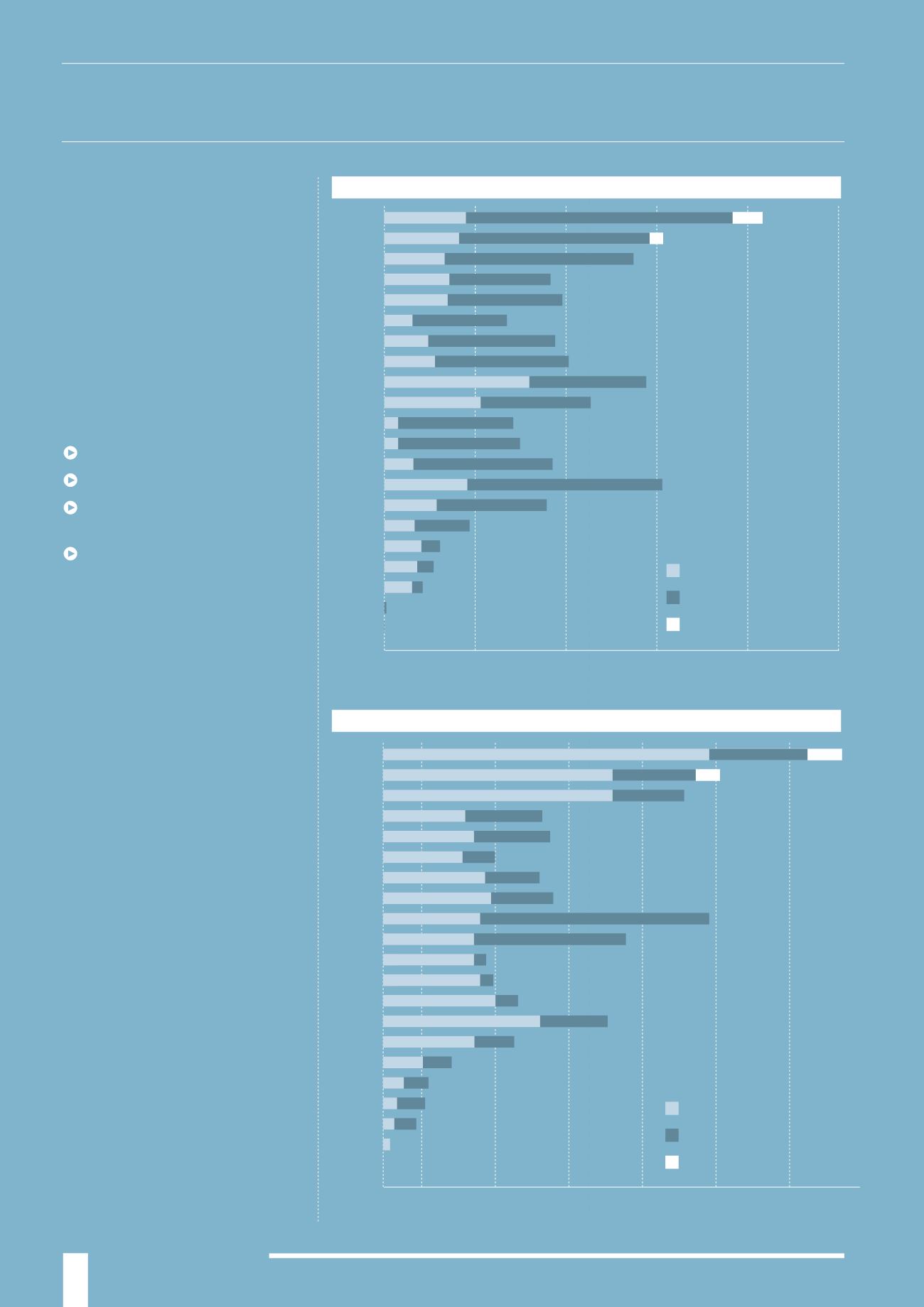
UPFRONT COSTS TO THE TAXPAYER
(1993-2015)
Source: HMRC (2015)
EIS Tax Relief Cost
VCT Tax Relief Cost
SEIS Tax Relief Cost
2013-14
2012-13
2011-12
2010-11
2009-10
2008-09
2007-08
2006-07
2005-06
2004-05
2003-04
2002-03
2001-02
2000-01
1999-00
1998-99
1997-98
1996-97
1995-96
1994-95
1993-94
0 50
150
350
250
450
550
436.98
309.69
309.45
109.76
124.54
103.54
141.46
146.5
129.52
121.28
125.44
133.46
152.18
213.04
122.74
58.8
22.7
18.8
10.6
38
34
32
28
0.78
33
54
90
31
14
14
208
312
81
69
45
102
105
97.5
120
25.77
132
49.05
FUNDRAISING BY VENTURE CAPITAL SCHEMES
(1993-2015)
Source: HMRC (2015)
2013-14
2012-13
2011-12
2010-11
2009-10
2008-09
2007-08
2006-07
2005-06
2004-05
2003-04
2002-03
2001-02
2000-01
1999-00
1998-99
1997-98
1996-97
1995-96
1994-95
1993-94
0
500
1000
1500
2000
2500
Total VCT funds raised
Total EIS funds raised
Total SEIS funds raised
440
400
325
350
340
150
230
270
780
520
627.2
667.3
760.9
1065.2
450
270
165
190
170
160
113.4
94.3
52.9
14
9
294
613.7
70
70
155
606.4
647.6
707.3
732.5
517.7
622.7
548.8
1031.5
1032.3
85.9
1456.6
163.5
Funds raised (£millions)
Cost of Tax Relief (£millions)