



 17 / 92

17
COLLECTIVE INVESTMENTS
Shares purchased on the secondary
market still count towards the £200,000
annual allowance
Secondary market purchases still pay
dividends tax-free and are also Capital
Gains tax-free
The minimum holding period is five
years. If the shares are disposed of
earlier than this, the investor has to
repay the rebate.
The Income Tax relief can be claimed
by completing the SA101 additional
information form issued by HMRC along
with the standard self-assessment form.
The investor just needs to enter the
total value of the VCT investment on the
form. The amount of tax they have to
pay will be reduced accordingly.
Alternatively, investors who pay their tax
by PAYE can write to HMRC requesting
that they adjust their tax code, so the
amount of tax they pay each month will
be reduced. Investors who do this will
need to include their national insurance
number, a P60 form if they have one
and a copy of their VCT tax certificate.
RULES FOR QUALIFYING
INVESTMENTS
Of course, those tax reliefs are designed
to encourage investments into smaller
companies that would ordinarily
struggle to obtain finance. There are
strict criteria around the types of
companies that can be invested in, the
amounts that can be invested and the
structure of the investment itself.
QUALIFYING COMPANIES
There are a number of rules governing
the types of firms that VCTs can invest
in. The main ones at the time of writing
(November 2015) are that the company
must not have net assets of more than
£15 million at the point of investment,
and must have fewer than 250 full-
time equivalent (FTE) employees at
the point of investment. The investee
companies are either unquoted, or
listed on AIM or the ISDX. There is an
annual investment limit of £5 million
and a lifetime limit of £12 million (these
limits are based upon the total amount
of funding received from all three of the
UK’s Tax Advantaged Venture Capital
Schemes: SEIS, EIS and VCT). There have
been some changes to the rules around
qualifying companies recently - we’ll go
into more detail on page 30.
Some trades are excluded from VCTs,
such as: dealing in land, property,
financial instruments; farming, forestry;
legal and accountancy services; managing
guest houses, hostels, care homes;
shipbuilding, coal and steel production
and renewable energy production
benefiting from Feed-in-Tariffs or
Renewable Obligation Certificates.
In addition, they must be an independent
company - they cannot be a subsidiary of
a non VCT qualifying firm.
At least 70% of the VCT has to be
invested in qualifying investments,
which are tested on various rules
such as the requirement that the
investee firm must have a permanent
UK establishment, or the financial
health requirement. It’s part of the VCT
manager’s job to ensure that they are
investing in qualifying investments,
and it’s worth advisers challenging the
manager on just how they do this. The
precise details governing qualifying
companies are available on the HM
Revenue & Customs website.
THE REGULATORY QUARTET
HM Treasury – Sets out the rules that
govern VCTs
HM Revenue & Customs – Ensures
that VCTs are compliant with the rules
Financial Conduct Authority –
Regulates the advice process
Financial Ombudsman Service –
Assesses any consumer complaints
THE VCT VEHICLE
The VCT itself is a collective investment,
very similar to an Investment Trust – a
listed investment company. However,
VCTs are also governed by some
additional rules. Of course, as an
investment company, VCTs will be a
closed, rather than open-ended fund.
Investors pool their money and
invest in a fund. The fund manager
invests this money in a portfolio of
assets to spread risk.
As closed-ended funds, trusts
have some advantages - and some
disadvantages - compared to OEICS.
It’s worth taking a moment to remind
ourselves of some of those so that we
can see why a closed-ended structure
is better for the types of investments
VCTs make.
“VCTs provide access to a wide-ranging portfolio of investments, offering exposure to companies at
various stages of maturity and which operate in a variety of industry sectors”
David Stevenson, Amati
Global Investors
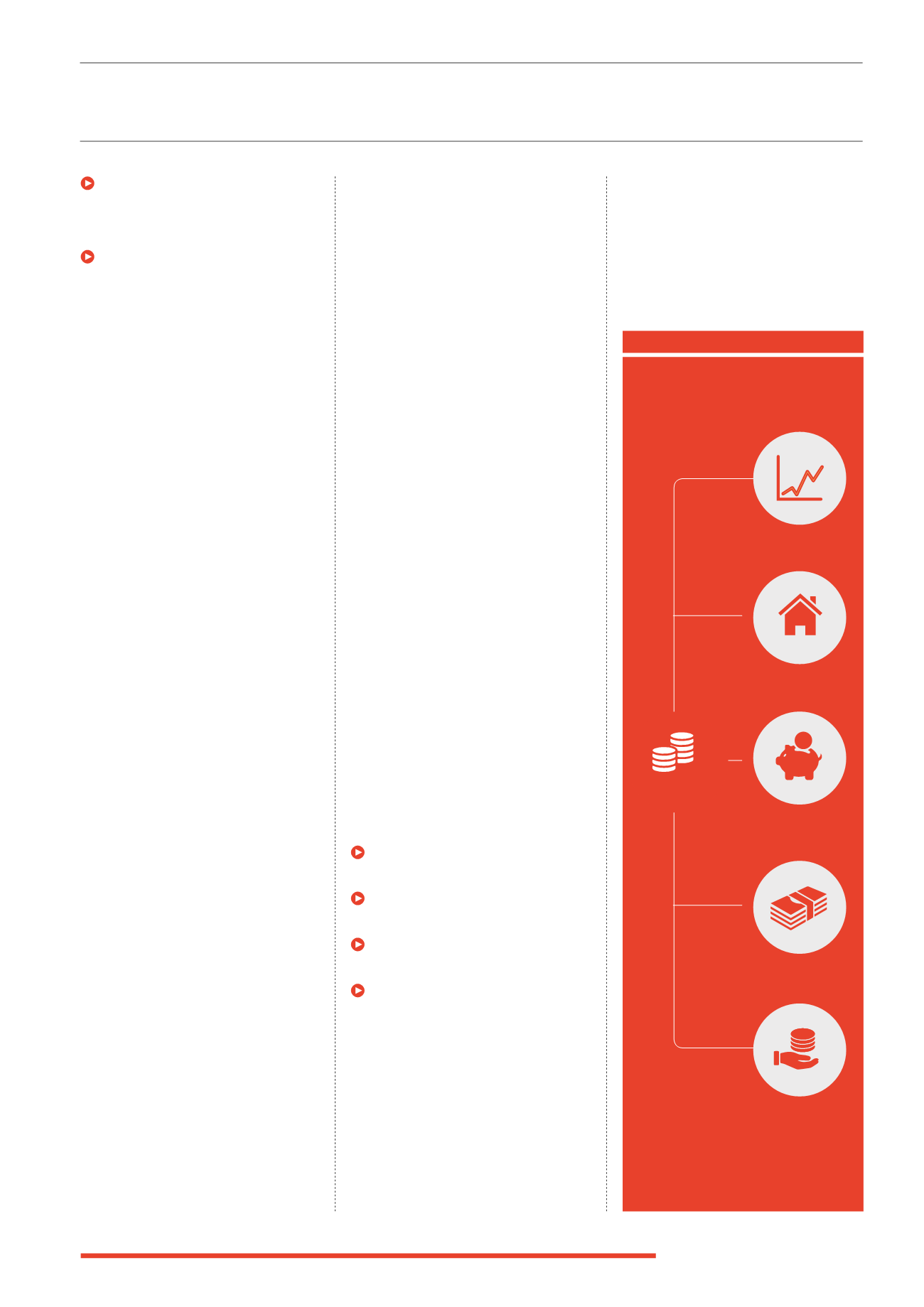
LISTED
SHARES
PROPERTY
OTHER
FUNDS
DEBT
CASH
FUND
Collective funds can be open and closed-
ended, pool multiple investors’ money and
provide professional management
Source: AIC (2015)