



 9 / 40

9
loads benefit from economies of scale
and generally receive a lower rate per
tonne than a smaller one, can also affect
value and charter rates. Charter rates
are generally available on the basis of a
long-term contract or a spot rate.
Spot charters expose ships to the
immediate volatility of market
sentiment, whilst long term contracts
involve committing the vessel over
a period in return for a fixed level
of revenue. In periods of weakening
charter rates and / or market
uncertainty, the time charter is viewed
as the more secure option, whilst a
rising market may encourage ship
owners to accept short term spot rates
to enable them to take immediate
advantage of price increases.
Charter price fluctuations are also
highly influenced by supply and demand
factors, based on the supply of vessels
and the demand generated by trading
conditions and international commodity
prices and requirements. New ships
are generally ordered when owners
judge a shortage in supply, and/or an
increase in demand, (although the price
of new or second hand vessels is also a
consideration, as is the price available
from scrapping existing vessels which
are to be replaced). The supply and
demand curve is heavily affected by the
two-year lead time required to build
new ships, providing both a lag and
market expectation for the delivery of
new tonnage, which eventually pushes
down charter prices when supply of
vessels outstrips supply of cargos.
Consequently, historical data
demonstrates a cyclical market, marked
by rises and falls.
The Baltic Dry Bulk Index (“BDI”) is an
index of daily charter rates issued by
the London-based Baltic Exchange.
It provides an average index for 23
shipping routes measured on a time-
charter basis of current freight rates for
Handysize, Supramax, Panamax, and
Capesize Dry Bulk carriers, carrying a
range of commodities including coal,
iron ore and grain.
15
The cyclicity of the sector as can be
seen in the BDI graph has contributed
to substantial volatility with the BDI
reaching a peak of 11,793 in 2008 and
an all-time low in November 2015 of
just 498. This suggests the possibility
of sizeable future rises in the index
16
,
and even the mean monthly average
from January 1985 to September 2015
(excluding the extraordinary highs of
2007 and 2008) of 1,657
17
, indicates the
real possibility of gains.
Dry Bulk is a fragmented investment
sector, in which, unlike other specialised
areas of the world shipping fleet, there
are approximately 2,000 different
owners and the largest 50 owners
account for only around 36% of the
fleet in terms of deadweight carrying
capacity
13
. This has the effect of allowing
smaller players into the market.
The traditional investment routes of
public and private shipping companies,
including Greek shipping families
who have a history of decades and
even centuries in the industry, other
corporate vehicles, ultra-high net worth
families and family offices, are losing
their monopoly. According to Hedge
Fund Journal, “The global bulk shipping
industry is currently undergoing a
fundamental change. It has been and
continues to be mostly dominated by
principal-led, family-owned companies,
funded mainly by commercial banking.
However, following the financial crisis
and the extended downturn in charter
rates, vessel values and traditional bank
lending, alternative sources of finance
– particularly private equity and hedge
funds – have become increasingly
prevalent in the sector.”
2
The report’s sponsor, TIME Investments
(a part of Alpha Real Capital Group,
a global co-investing fund manager
with over £1 billion of assets under
management) manages an EIS service
which looks at new and interesting
investment sectors on which to overlay
EIS benefits for smaller investors. The
TIME:EIS Service aims to allow investors
who are looking for better growth for
their funds than the returns offered by
banks and orthodox routes, to access
the Dry Bulk shipping market via EIS
companies using the expertise of an
experienced vessel owner and operator,
to acquire, operate and eventually sell
a Dry Bulk ship and target a profitable
investment realisation.
Whilst there is not universal agreement,
many market commentators are now
suggesting a recovery to the Dry
Bulk shipping sector in around three
to five years-time. It is that forecast
which is making it timely to look at
the investment sector now, taking
into account the current low pricing
of vessels and the time required for
market entry and preparation for the
improving charter price outlook, driving
up asset values.
“This is a sector rich in SMEs and innovation and one that, with the right conditions, can
contribute to enterprise, productivity and both national and regional growth in the UK”
Lord Mountevans, Department of Transport
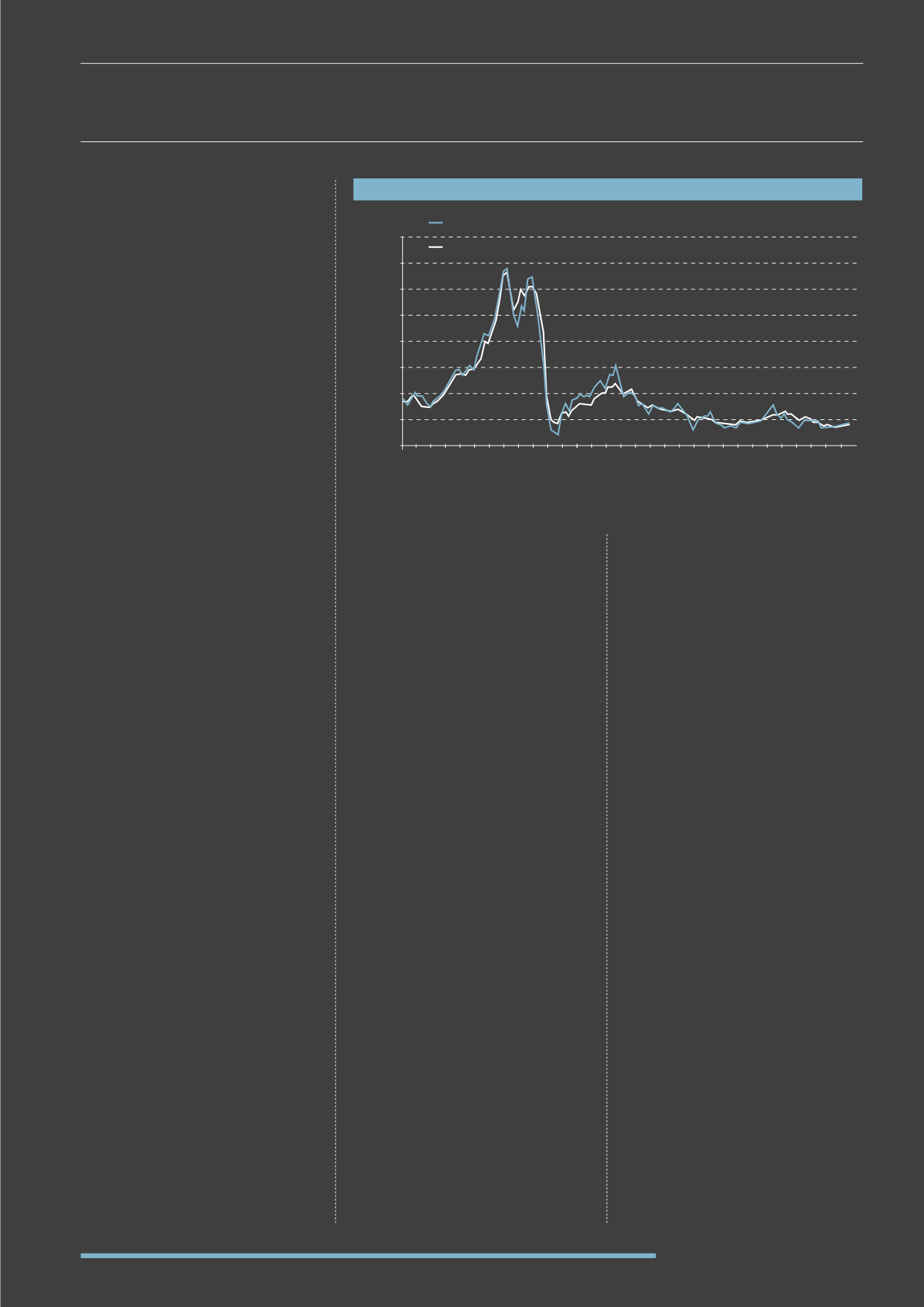
TIME CHARTER VS SPOT RATE
2005 Jul
2005 Nov
2006 Mar
2006 Jul
2006 Nov
2007 Mar
2007 Jul
2007 Nov
2008 Mar
2008 Jul
2008 Nov
2009 Mar
2009 Jul
2009 Nov
2010 Mar
2010 Jul
2010 Nov
2011 Mar
2011 Jul
2011 Nov
2012 Mar
2012 Jul
2012 Nov
2013 Mar
2013 Jul
2013 Nov
2014 Mar
2014 Jul
2014 Nov
2015 Mar
2015 Jul
$80,000
$70,000
$60,000
$50,000
$40,000
$30,000
$20,000
$10,000
$0
Spot: Average of the 6 T / C Routes for Baltic Supramax Index (US$/day)
1 Year Timecharter Rate 52,000 dwt Bulkcarrier (US$/day)
Source: British Marine