



 57 / 92

57
“Many Limited Life VCTs place significant focus on capital preservation, helping to ensure
downside protection by allocating capital to asset backed investments”
SamMcArthur, Puma Investments
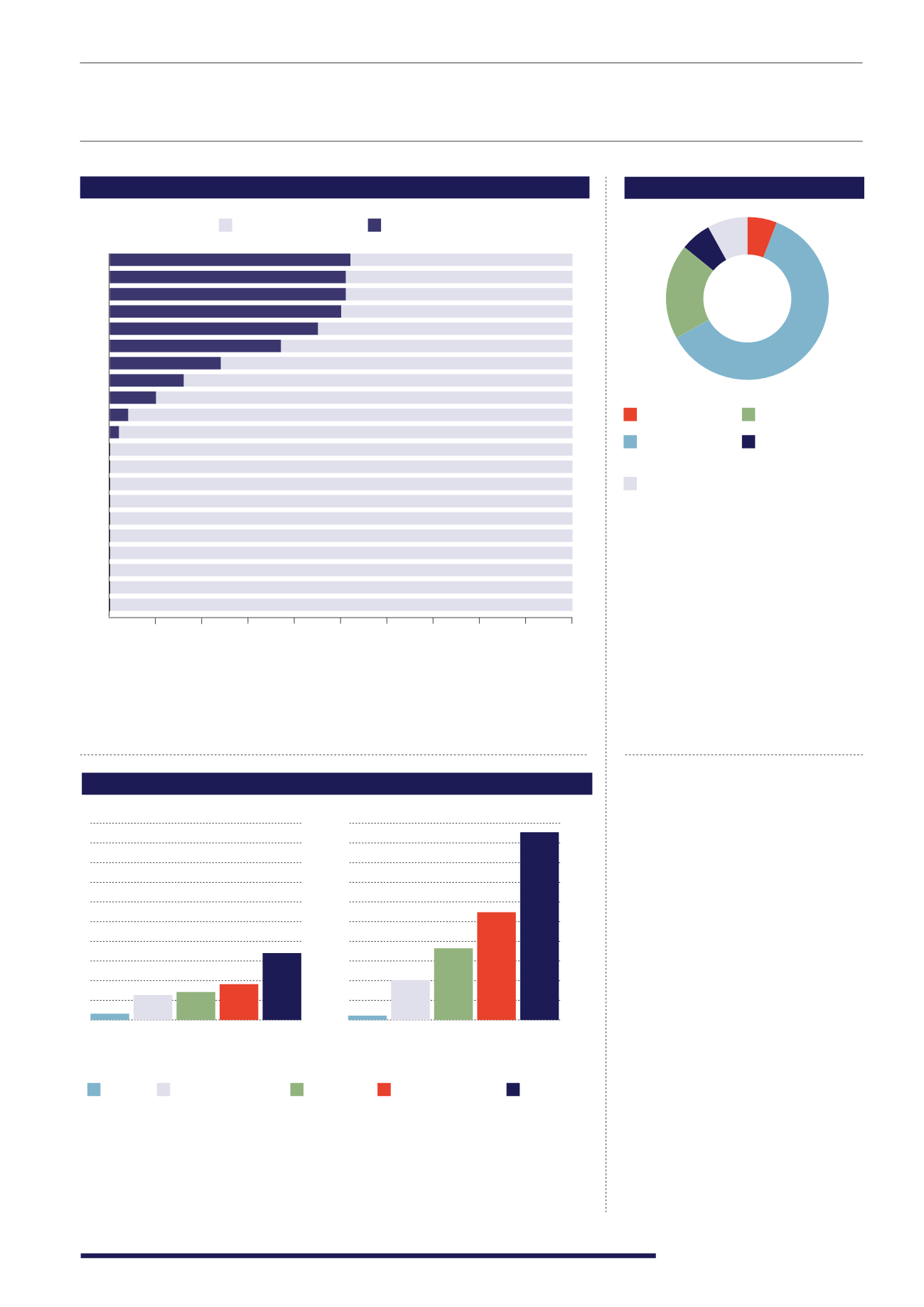
Looking at the number of investee companies held by each structure also tells us
that it is harder to achieve maximum diversification in a Limited Life fund, as these
companies have to aim to wind up as soon as the proposed investment term is up
(usually five years). Lower levels of diversification are accepted in exchange for a more
defined exit.
NUMBER OF INVESTEE COMPANIES BY STRUCTURE
(2015)
Min
Lower Quartile
Average
Upper Quartile
Max
Since 2008 investors have become more concerned with liquidity and Limited Life
funds have grown in popularity. There is also less of a need to launch new Evergreen
products, as there are established funds with track records that periodically open for
new investment, making life harder for new market entrants.
MARKET SHARE BY STRUCTURE
(1995-2015)
Evergreen
Limited life
0% 10% 20% 30% 40% 50% 60% 70% 80% 90% 100%
2015
2004
2014
2003
2013
2002
2012
2001
2011
2000
2010
1999
2009
1998
2008
1997
2007
1996
2006
1995
2005
52%
51%
51%
50%
45%
37%
24%
16%
10%
4%
2%
48%
49%
49%
50%
55%
63%
76%
84%
90%
100%
100%
96%
100%
100%
98%
100%
100%
100%
100%
100%
100%
The majority (61%) of VCTs are focused
on capital growth & income. Dividends
received are tax-free and the nature of
the underlying investments of VCTs
goes hand in hand with the capital
growth objective. The second largest
segment is aimed at capital preservation
(19%). Although this focus may seem
unusual considering the inherent risk
that comes with VCTs, Limited Life VCTs
aim to wind up and distribute assets
after a target holding period.
INVESTMENT OBJECTIVE
61%
6%
6%
19%
8%
FEES AND CHARGES
Fees and charges are an important
consideration for advisers and
investors. This section takes a look at
the investments that were open to new
investment in November 2015. There
are two main charges associated to
VCTs when first making an investment:
the initial charge and the annual
management charge. Initial charges
range from 2% to 5.5% of the initial
subscription amount and the annual
management charge range from 0% to
3.5% of the net asset value.
The charges for VCTs are very
similar to that of EIS investments.
VCTs, along with EIS, require a large
amount of research and due diligence
by the managers when investing
shareholders’ funds (even more so
with the new legislation), one of the
many reasons why charges are higher
than mainstream funds.
Capital Growth
Capital Growth
& Income
Capital Preservation
Capital Preservation
& Income
Income
LIMITED LIFE
EVERGREEN
3
2
13
20
37
53
109
18
32
16