



 66 / 92

66
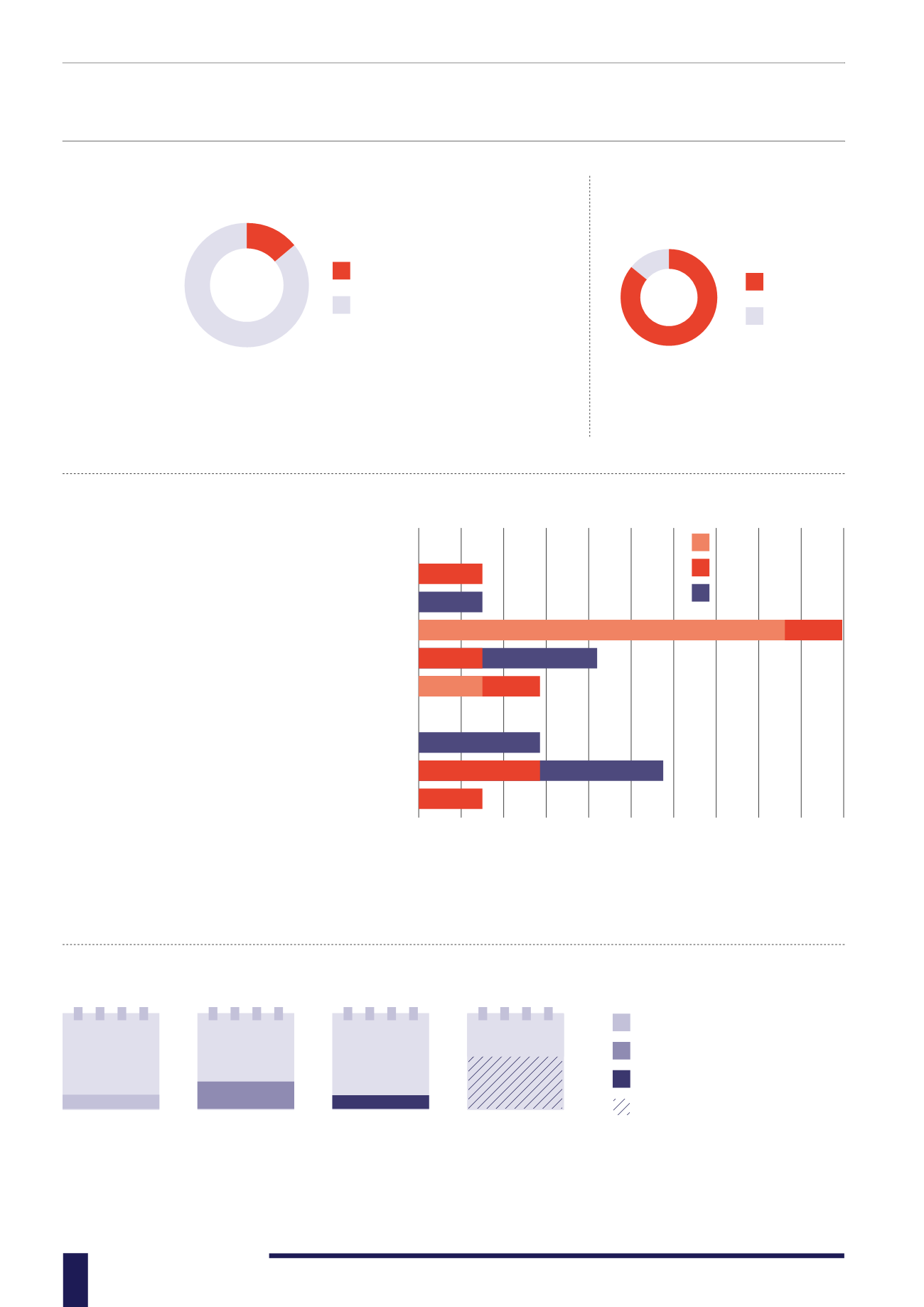
“The majority of providers believe that investors do not need to wait until ISA and pension
allowances have been maximised before investing in VCTs”
VCTS ARE ONLY APPROPRIATE WHEN BOTH ISA & PENSION
ALLOWANCES HAVE BEEN MAXIMISED
HOW LONG SHOULD AN INVESTOR EXPECT TO HOLD THEIR SHARES BEFORE LOOKING TO EXIT?
DO YOU THINK IT IS IMPORTANT
FOR INVESTORS TO USE MORE
THAN ONE VCT PROVIDER?
Providers believe that their track record is by far the most important criteria for investors/advisers when it comes to choosing a
VCT. Third party reviews, the sector they are investing in and expected level of returns were other important criteria noted by
providers, again chiming with advisers’ thoughts.
This question received a variety of responses, and this is definitely down to what type of VCT the provider offers. Of course Limited
Life VCTs aim to exit after only 5 years, whereas AIM or Generalist VCTs would normally be considered longer term investments.
WHAT ARE THE 3 MOST IMPORTANT CRITERIA FOR INVESTORS / ADVISERS WHEN CHOOSING A VCT?
The majority of providers believe that investors do not need to wait until ISA and
pension allowances have been maximised before investing in VCTs. However, more
advisers agreed with this statement, with 28% stating that the allowances should be
maximised before considering VCTs.
Even the providers aren’t ignorant
to the fact that to achieve greater
diversification, advisers and investors
need to look to several VCT providers.
0% 10% 20% 30% 40% 50% 60% 70% 80% 90% 100%
Top criteria
2nd top criteria
3rd top criteria
Ease of investment
The forecast level of return
The forecast timing of the exit
The manager’s performance track record
The economic sector the fund is exposed to
The quality of information provided on the fund
Previous good experience with the manager
Third party reviews
The manager’s size & reputation in marketplace
Other
The minimum 5 years
6-10 years
+10 years
Depends on the investor
14%
29%
14%
43%
Agree
Disagree
14%
86%
Yes
No
86%
14%
14%
14%
14%
14%
14%
23%
29%
29%
14%
29%
86%
14%